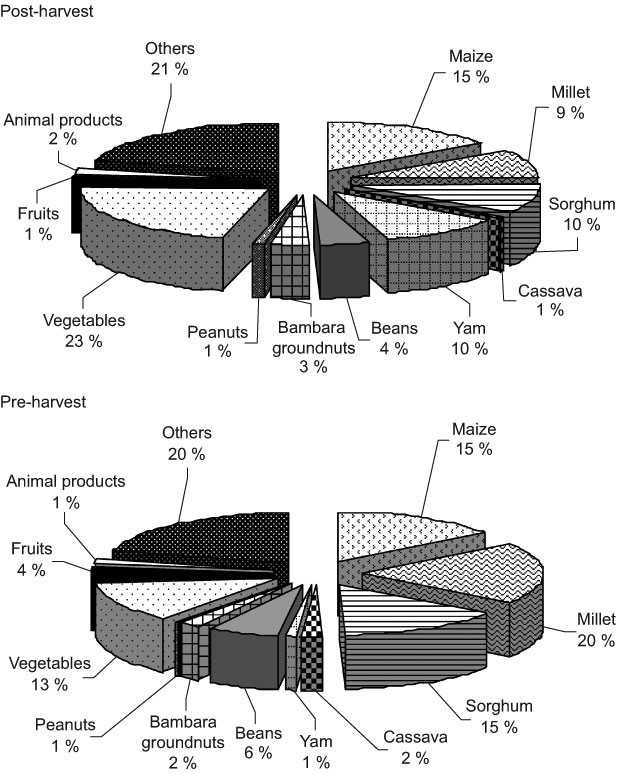
Seasonal variations in selected potential plant food sources identified Biology Diagrams
Seasonal variations in selected potential plant food sources identified Biology Diagrams We analysed the stability of Lake Constance's pelagic food web, which showed a recurring seasonal pattern and remained high despite pronounced variability in biomasses and energy flows. Stability was

Seasonality in agriculture refers to the cyclical pattern of crop production and livestock rearing, which is influenced by changes in weather patterns, daylight hours, and other environmental factors. This article explores the challenges of seasonality in agricultural supply chains and suggests possible solutions. Several distinct types of woodland habitats exist on Earth, such as conifer, deciduous and mixed. A study of the deciduous forest shows how a food chain functions within an ecosystem that experiences distinct seasonal changes.

Disrupted seasonal biology impacts health, food security and ecosystems ... Biology Diagrams
However, in a new paper, I argue that even in well studied ecosystems, many species and food chains could be more resilient to disruption by climate change than has previously been assumed. Better understanding of food webs in seasonal environments, including their vulnerability and resilience to climate change, requires a multi-season perspective. Seasonal changes significantly influence mountain food webs. For example, spring brings melting snow and new plant growth, providing abundant resources for herbivores, while winter's scarcity challenges the survival of many species.
As warming climates make seasonal changes more unpredictable, some species and food chains show a flexible response.
The Challenges of Seasonality in Agricultural Supply Chains Biology Diagrams
Overall, seasonal variability in planktonic food webs appears to be closely linked to fluctuations in flows through microbial food web complexes. While there is some dependence on seasonal vegetation productivity and herbivore digestive and intake efficiency, the model showed that "any type of seasonal diet change, whether from grazing to browsing or a preferred grass forage to a forage reserve will lead to both larger populations and more herbivore biomass," Staver said.
